
Triathlon Training Trends 2026
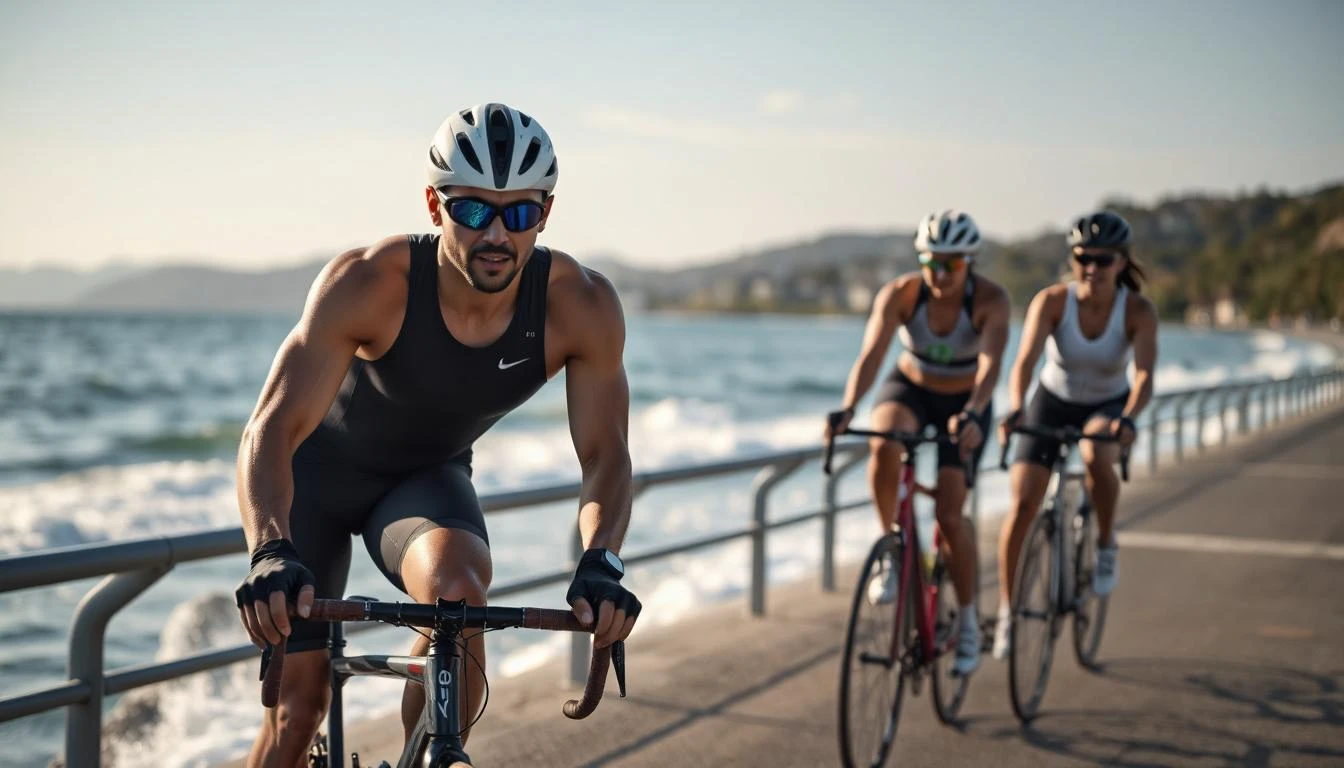
The triathlon world is entering one of its most exciting periods yet. Athletes are no longer relying solely on traditional endurance methods to improve race results. Instead, training has become a dynamic combination of science, technology, recovery, and data-driven decision-making. Whether you are preparing for your first sprint triathlon or aiming to achieve a personal record in a long-distance event, understanding the latest developments can provide a valuable advantage.
As competition continues to grow worldwide, triathlon performance training is becoming more sophisticated and accessible than ever before. Advanced wearable devices, artificial intelligence, and personalized coaching platforms are helping athletes train smarter rather than simply train harder. These innovations are reshaping how endurance athletes approach performance, recovery, and long-term development.
The Evolution of Triathlon Training in 2026
The modern triathlon landscape looks remarkably different from just a few years ago. Athletes are embracing technology and evidence-based strategies to maximize efficiency while minimizing unnecessary fatigue. One of the most influential developments is the rise of triathlon performance training trends 2026, which focus on personalization, performance analytics, and sustainable progression for athletes of all levels.
Data Driven Performance Tracking
Performance tracking has evolved far beyond basic heart rate monitoring. Today's athletes analyze power output, running economy, cadence, swim efficiency, recovery scores, and training readiness metrics. By collecting detailed information from every session, athletes can identify trends and make informed adjustments before performance plateaus occur.
Popular LSI keywords related to this trend include endurance performance analytics, athlete readiness monitoring, sports performance metrics, and training adaptation tracking. These tools help create a clearer picture of how the body responds to training stress over time.
Hybrid Indoor and Outdoor Training Methods
The combination of indoor and outdoor training has become increasingly popular in 2026. Smart bike trainers, virtual cycling environments, and interactive running platforms allow athletes to maintain consistency regardless of weather conditions or travel schedules.
Indoor sessions offer controlled environments for precise workouts, while outdoor training develops race-specific skills and adaptability. Together, they create a balanced training system that supports year-round progression.
Personalized Coaching Through Technology
Technology has transformed coaching into a highly individualized experience. Artificial intelligence can now analyze training history, recovery patterns, and performance goals to generate personalized recommendations.
Athletes no longer need to follow generic plans. Instead, training schedules can adapt in real time based on fatigue levels, race calendars, and recovery status, leading to more efficient performance gains.
Advanced Endurance and Recovery Strategies
Endurance remains at the heart of triathlon success, but athletes are increasingly recognizing that recovery plays an equally important role. The ability to balance workload and recovery often determines long-term progress and consistency.
Optimized Training Load Management
Managing training load effectively has become one of the most important aspects of endurance preparation. Modern software platforms calculate training stress scores and monitor physiological responses to ensure athletes avoid overtraining while still progressing.
Rather than relying on intuition alone, athletes can use objective data to determine when to push harder and when to recover. This balanced approach supports sustainable improvement throughout an entire season.
Recovery Focused Workout Planning
Recovery is now viewed as an essential component of performance development rather than simply a break from training. Active recovery rides, mobility sessions, stretching routines, and recovery-focused workouts are becoming standard components of triathlon programs.
Sports physiologist Dr. Stephen Seiler has often emphasized that successful endurance athletes understand the value of balancing hard and easy sessions. His research consistently highlights the importance of strategic recovery for long-term adaptation and performance improvement.
Sleep and Performance Monitoring
Sleep has emerged as one of the most valuable recovery tools available to athletes. Wearable technology now tracks sleep duration, sleep quality, recovery status, respiratory rate, and overnight heart rate variability.
LSI keywords such as sleep optimization for athletes, recovery monitoring technology, endurance athlete recovery strategies, and performance readiness tracking are increasingly relevant as athletes prioritize quality rest. Better sleep supports muscle repair, hormonal balance, cognitive function, and overall athletic performance.
Smart Gear and Performance Innovation
Technology continues to push the boundaries of what athletes can achieve. Modern equipment is designed not only for comfort but also for measurable performance improvements across all three triathlon disciplines.
Wearable Technology Advancements
Wearable devices have become powerful performance tools. Beyond tracking distance and pace, modern wearables monitor physiological signals that help athletes understand recovery, hydration status, stress levels, and training readiness.
This deeper insight allows athletes to make smarter decisions about training intensity and workload distribution throughout the week.
Aerodynamic Equipment Improvements
Aerodynamics remain a critical factor in triathlon performance. Manufacturers are investing heavily in wind tunnel testing and advanced materials to create faster helmets, bicycles, apparel, and accessories.
Even small reductions in aerodynamic drag can result in meaningful time savings during competition. For endurance athletes, these marginal gains can make a significant difference over long race distances.
AI Powered Training Insights
Artificial intelligence is becoming one of the most influential innovations in endurance sports. AI-powered platforms can analyze thousands of data points and identify patterns that would be difficult for athletes or coaches to recognize manually.
Long-tail keywords such as best AI training tools for triathletes in 2026, how AI improves triathlon performance, and personalized endurance training with artificial intelligence are becoming increasingly relevant as athletes seek smarter training solutions.
Community and Competitive Training Trends
While technology plays an important role, the human element remains essential. Community support, shared experiences, and competitive motivation continue to influence athlete development.
Virtual Triathlon Challenges
Virtual racing has evolved into a sophisticated global experience. Athletes can participate in competitive events from almost anywhere while comparing results with participants around the world.
These events provide flexibility and accessibility while maintaining the excitement and motivation that come with competition.
Social Fitness Accountability Groups
Training consistency often improves when athletes feel connected to a supportive community. Social fitness groups, online coaching communities, and accountability networks encourage athletes to remain committed to their goals.
Sharing progress, challenges, and achievements creates an environment where motivation is reinforced through collective support and encouragement.
Age Group Athlete Development
Age-group athletes represent one of the fastest-growing segments of the triathlon community. Training methodologies are increasingly tailored to the unique physiological needs and goals of different age categories.
Long-tail keywords such as best training plans for age group triathletes and how amateur triathletes improve endurance in 2026 reflect growing interest in personalized development strategies for recreational competitors.
Start Your Triathlon Journey and Reach New Goals
Every advancement discussed throughout this article points toward a simple reality: triathlon training is becoming more intelligent, personalized, and effective. Athletes now have access to tools and insights that were once reserved for elite professionals. From advanced recovery monitoring to AI-driven coaching systems, the opportunities for improvement have never been greater.
As renowned sleep scientist Dr. Matthew Walker explains, "Sleep is the single most effective thing we can do to reset our brain and body health each day." This perspective perfectly reflects the broader shift occurring across endurance sports, where smarter recovery and strategic preparation are becoming just as important as hard work itself.
The future of triathlon belongs to athletes who embrace innovation while remaining consistent with the fundamentals. If you are looking to improve your performance, now is the perfect time to explore new training methods, trust the process, and take the next step toward achieving your goals.